
RV Holding Tanks Mistakes: 7 Things You’re Doing Wrong

Table of Contents

  1. Why Proper RV Holding Tanks Care Matters
  2. Mistake #1: Leaving the Valve Open
  3. Mistake #2: Not Using Enough Water
  4. Mistake #3: Skipping the Right Toilet Chemicals
  5. Mistake #4: Forgetting to Rinse the Tank
  6. Mistake #5: Using Household Cleaners
  7. Mistake #6: Ignoring Tank Sensor Maintenance
  8. Mistake #7: Waiting Too Long Between Dumps
  9. Bonus Tip: Using Extra Tools
  10. Caring for All Systems
  11. Conclusion

Why Proper RV Holding Tanks Care Matters

RV travel promises freedom, adventure and the comfort of having your own little home on wheels. But one area many owners dread is the bathroom. Ask any experienced RVer and they will tell you keeping your waste system clean and functional is a make-or-break part of the journey. What often gets new RVers in trouble isn’t the system itself, but the way it’s managed. Small oversights become big headaches, leading to clogs, odors, or even expensive repairs.

That’s why it’s crucial to avoid common RV Holding Tanks Mistakes. With the right habits and a bit of know-how, you can skip the stress and focus on the fun parts of traveling. Let’s dive into the errors most people make and how to correct them before they ruin your trip.

Mistake #1: Leaving the Valve Open

It sounds smart at first: you arrive at a full-hookup campsite, connect the hose and open your tank valves so waste can drain as you go. The trouble is, while liquids flow out freely, solids don’t. Instead, they stay behind and form what’s called a pyramid, plug a hardened mound of paper and waste sitting stubbornly at the bottom of your tank. Once this forms, no amount of water will easily flush it away.

Experienced RVers know that the best practice is to keep the valve closed until the tank is at least two-thirds full. This way, the natural water volume pushes solids along when you finally dump. Think of it like flushing a toilet at home if you only poured in a trickle of water, nothing would go down properly. You need a strong surge to clear the bowl.

Mistake #2: Not Using Enough Water

Water is your best friend in holding tank care. Still, many RVers try to conserve it too aggressively, giving just a quick flush after use. The problem is that without enough water, solids don’t move properly. They stick, clump and eventually create clogs. Odors intensify because waste sits in concentrated form instead of being diluted.

The solution is simple: every time you flush, press and hold long enough to send a good surge of water into the tank. Don’t treat it like a quick tap. That extra few seconds makes the difference between smooth drainage and a messy backup.

Mistake #3: Skipping the Right Toilet Chemicals

Some RV owners skip chemicals altogether, while others grab household products from under the sink. Both approaches backfire. Without chemicals, odors take over and waste doesn’t break down properly. With the wrong cleaners, seals corrode, sensors fail and tank walls weaken.

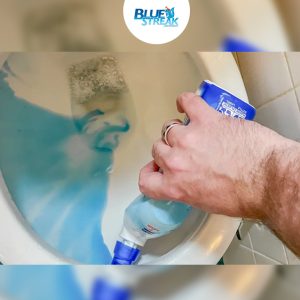
RV-specific chemicals do three essential jobs: deodorize to keep smells under control, break down solids and paper for smoother dumps and lubricate seals and moving parts to extend life. For maximum convenience, many RVers use automatic dispensers that inject the exact right amount with each flush. This takes away the guesswork and prevents overdosing or forgetting. Once you try it, you’ll never go back to manual pouring.
Mistake #4: Forgetting to Rinse the Tank

Dumping your tank doesn’t mean the job is done. Waste residue clings stubbornly to walls and sensors, giving false readings and fueling odors that no chemical alone can mask. Many RVers skip rinsing out of convenience, but this shortcut builds up problems over time.

The solution is to rinse thoroughly every time you dump. Use a built-in tank flush if your RV has one, or attach a separate flush hose. Let it run until the water flows clear. It only adds a few minutes but can extend your system’s lifespan by years. During hot summer months, rinsing more often helps reduce heat-related odors, while before winter storage, one last deep rinse prevents residue from hardening over the months.

Mistake #5: Using Household Cleaners

Bleach, drain openers and harsh cleaners seem like heavy hitters for tough jobs, but they’re a disaster for RV tanks. These chemicals eat away at rubber seals, corrode gaskets and kill off the natural bacteria that help break down waste. Over time, they can cause leaks, damage your sensors and shorten the life of your tank.

Instead, stick to RV-safe products. These cleaners are formulated to target odors and break down waste without destroying sensitive parts. Remember, your RV’s plumbing isn’t built like your home’s; it needs specialized care to stay safe and effective.

Mistake #6: Ignoring Tank Sensor Maintenance

Tank sensors are notorious for reading “full” even right after a dump. Most of the time, the problem isn’t the sensor itself but debris sticking to it. Toilet paper, grease or waste can cling and confuse the system.

Preventing this is straightforward: flush with plenty of water, rinse thoroughly and occasionally use treatments that break down residue. Consistent care keeps sensors reliable, ensuring you know the true status of your tank instead of guessing. This saves you from unnecessary dump stops or the frustration of thinking your system is full when it isn’t.

Mistake #7: Waiting Too Long Between Dumps

Some RVers try to stretch things out, waiting until the last possible moment to dump. It’s a risky gamble. Overfilled tanks put stress on seals, increase the risk of backup and can even push waste into your RV.

The sweet spot is two-thirds to three-quarters full. At that level, there’s enough liquid to carry solids out efficiently, but not so much that you risk overflow. Dumping regularly is far less stressful than dealing with a backup or a seal failure in the middle of a trip.

Bonus Tip: Using Extra Tools

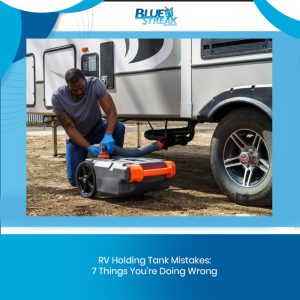
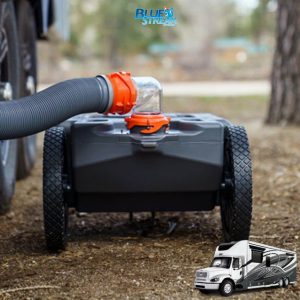
Good habits cover the basics, but smart tools add convenience. A portable rv dump tank is one of the handiest accessories you can own. Instead of packing up camp just to hit a dump station, you can transfer waste into the portable unit and wheel it over. For long-term stays or big family trips, it’s a simple way to make sanitation easier and less disruptive.

Caring for All Systems

Your RV’s waste system is more than just the black tank. Each part needs attention:

  • fresh water systems: Regular sanitizing ensures your drinking water is clean and safe. A simple bleach solution flush once or twice a season is often enough.
  • gray water system: Left unchecked, food particles and soap scum create foul odors. Drain and rinse regularly and use strainers in sinks to minimize buildup.
  • black water tank: This is the heart of your system. Consistent flushing, the right chemicals and smart dumping practices keep it working as intended.

By caring for all three, you’ll maintain a sanitary, efficient setup that keeps road life comfortable and worry-free.

Conclusion

RVing is supposed to be about freedom, not foul odors or messy cleanups. By avoiding these common mistakes leaving valves open, using too little water, skipping rinses and relying on the wrong products you can save yourself from some of the most dreaded problems RVers face. With consistent care and a few smart tools, your waste system will stay reliable, your trips stress-free and your focus exactly where it belongs: on the adventure ahead.

How to Choose the Perfect RV Black Tank Cleaner? for a Smooth, Odor-Free Road Trip

Table of Contents

  • Understanding the Role of the Black Tank
  • How to Tell When It’s Time for a Deep Clean?
  • Finding the Safest Toilet Cleaning Products for RVs
  • What to Look For When Shopping for Cleaning Solutions?
  • Why Portable Toilets Matter in RV Travel?
  • The Right Way to Treat and Maintain Your Tank
  • Caring for Sanitation Systems in Boats and Marine Settings
  • Mistakes That Can Lead to Odors and Plumbing Issues
  • Conclusion:

Understanding the Role of the Black Tank

When you think of RV adventures, you probably picture scenic highways, cozy campgrounds, and the freedom to park anywhere that inspires you. What many travelers forget is the hidden part of RV life: the plumbing system. In particular, the black tank plays a vital role by storing wastewater from your toilet. It’s not the most glamorous part of RVing, but without it, life on the road wouldn’t be nearly as comfortable.

A RV black tank cleaner is specially made to break down waste and control odors before they cause trouble. Neglecting it can lead to stubborn buildup inside the tank, inaccurate sensor readings, and unpleasant smells wafting through your living space. Maintaining the tank isn’t just about comfort, it’s about avoiding costly repairs and keeping your travels smooth from start to finish.

How to Tell When It’s Time for a Deep Clean?

Even with a good maintenance routine, your RV will give you hints when it needs extra attention. If you notice a persistent odor after flushing, that’s your first warning sign. Water that drains more slowly than usual could mean a clog is forming. Tank sensors that read “full” immediately after emptying often point to residue buildup. In some cases, you may even see cloudy or discolored water during a flush proof that old waste is clinging inside.

The earlier you catch these signs, the easier it will be to restore your tank to top condition. A little proactive cleaning now can save you from much bigger issues down the road.

Finding the Safest Toilet Cleaning Products for RVs

One of the most common beginner mistakes is using the same cleaner you’d use in a household bathroom. Many of those products contain strong chemicals that can damage the seals and fittings in an RV toilet. Over time, this can cause leaks, cracks, and other expensive problems. That’s why the best toilet bowl cleaner for RV use is a product that’s both gentle and effective.

Look for RV-safe or septic-safe formulas. These won’t scratch surfaces or disrupt the bacteria needed for waste breakdown. If possible, go for eco-friendly cleaners. They’re better for the environment and safe to use at campgrounds and dump stations.

What to Look For When Shopping for Cleaning Solutions?

The best cleaner for your RV depends on how you travel. If you’re on the road full-time, you may prefer concentrated formulas sold in bulk so you don’t have to stock up as often. If you only travel on weekends, a smaller bottle might be more practical.

Your travel environment also plays a role. Hot climates intensify odors, so a cleaner with strong deodorizing power is helpful. In colder areas, choose one that still works well in low temperatures. And while price matters, cheaper isn’t always better. Sometimes you’ll end up using more products to get the same results, which costs more in the long run.

Why Portable Toilets Matter in RV Travel?

Even with a perfectly working black tank, there are situations where a camp toilet comes in handy. Off-grid camping, festivals, or times when dump stations aren’t nearby can make a portable option a lifesaver. It’s also useful for families or large groups who might fill up the main tank quickly.

To keep a portable toilet fresh, clean it often and use products compatible with both your portable and main systems. Empty it before it’s full to avoid unpleasant spills. It’s much easier to manage when you stay ahead of it.

The Right Way to Treat and Maintain Your Tank

A good rv black tank treatment routine will keep odors and buildup at bay. Start by emptying the tank at a proper dump station. Once it’s empty, rinse it thoroughly until the water runs clear. Then, add the recommended amount of treatment solution, and pour in enough water to cover the bottom of the tank. This helps the treatment spread evenly and prevents waste from drying to the sides.

For products that are safe and effective, check out the sanitation solutions from Blue Streak Chem. They’re designed specifically for RV use and won’t harm delicate components.

Caring for Sanitation Systems in Boats and Marine Settings

If you enjoy boating as well as RVing, you’ll know that a marine toilet requires similar upkeep but with a few added challenges. Saltwater exposure, motion from waves, and constant humidity can speed up wear. To keep things running smoothly, use cleaning agents made for marine environments, as these help prevent rust and corrosion.

Before setting out, check for leaks, inspect hoses for cracks, and make sure seals are in good condition. Carrying spare parts like gaskets or valves is a smart move; it can save a trip from being cut short by an avoidable breakdown.

Mistakes That Can Lead to Odors and Plumbing Issues

Some RV maintenance missteps seem minor but cause big problems over time. Using bleach or overly abrasive cleaners can damage your system and kill the helpful bacteria needed for waste breakdown. Letting waste sit too long, especially in warm weather, practically guarantees stubborn smells and harder-to-remove buildup.

Skipping rinses after emptying is another common problem, it leaves behind residue that can cause clogs and mess with your tank sensors. On the flip side, using too much chemical cleaner can be wasteful and even reduce cleaning effectiveness.

Conclusion

The less you have to think about your RV’s sanitation system, the better and that’s exactly what proper maintenance achieves. By sticking to a routine, using safe products, and addressing small issues early, you’ll spend more time enjoying your trips and less time worrying about your tank.

Whether you’re camping in the mountains, relaxing at a lakeside campground, or taking your boat out on the water, keeping your sanitation system in top shape ensures every adventure stays as fresh and worry-free as possible.

Stop the smell of grey water tanks in your camper

Grey Water Tank

Blue Streak was designed to be a non-toxic, earth friendly alternative for your black tank chemical treatment on your RV, boat, or camper.  It adds a pleasant baby powder aroma, cleans, and works to break down waste to help it move better through your entire system.

But, did you know, you can use a little Blue Streak in your grey water tank if you have an unpleasant odor?

Stop any unpleasant grey water tank smells

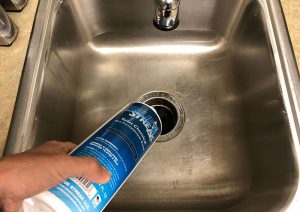
All you have to do is add a little Blue Streak to your grey water tank and it will help alleviate any odors or bad smell that you might accumulate during your camp trip.  Grey water tanks are not as big of an issue as black water so we don’t have any automatic dispensers for this scenario; but, adding a few drops of Blue Streak here and there down your kitchen sink can replace that foul smell with a pleasant aroma.


Non-toxic alternative to Aquakem

Agua Chem Alternative

Blue Streak is a great alternative to Aqua-Kem and other harsh tank chemicals.  Aqua-Kem has been the standard tank chemical provided by RV dealers and campgrounds for years. However, there are superior options that don’t use poisons like formaldehyde, and won’t wreak havoc on campground septic systems.

Blue Streak is non-toxic and safe to use in your black tank at all campgrounds. You’ll get better results, do a bit more for the environment, and make the campground maintenance team very happy that you are doing everything you can to keep their systems in good condition by using a septic tank friendly chemical.

Give Blue Streak a try! You can use it like you’ve always used your toilet chemicals or if you are looking to revolutionize how you manage your blank tank, check out our automatic dispenser.

We’re so confident you’ll like our stool chemicals that we offer a satisfaction guarantee!